Intro: Why materials matter for Bedminster, NJ homeowners
Homeowners in Bedminster, NJ face seasonal rain, snow, and humid summers — all factors that affect performance and longevity. Choosing materials for smart garage systems is the single most important decision after the control platform itself. Material choice influences insulation, corrosion resistance, noise, maintenance, and how well a smart garage systems setup integrates with existing garage doors and opener hardware.
Core material types and where they work best
When evaluating materials for smart garage systems, match durability and function to your property. Below are common options and practical pros and cons for local homes.
Steel
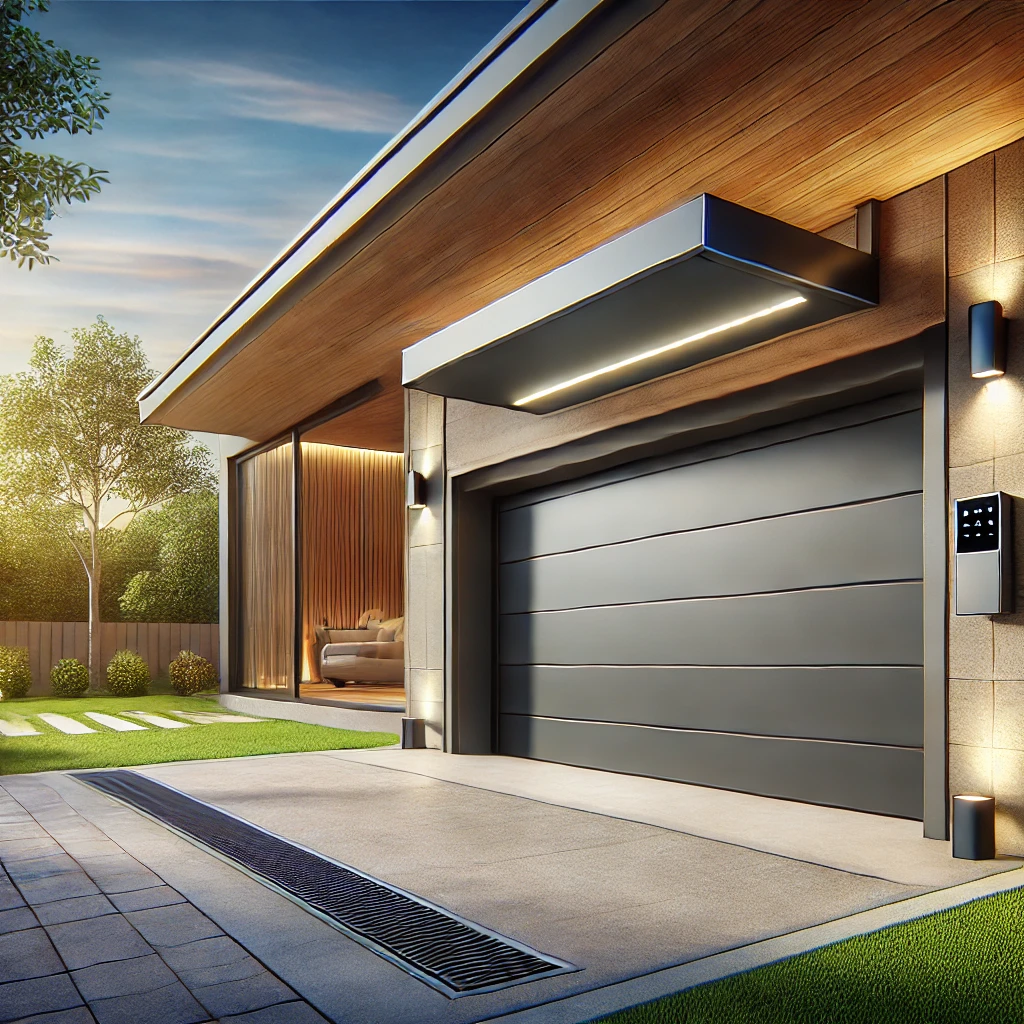
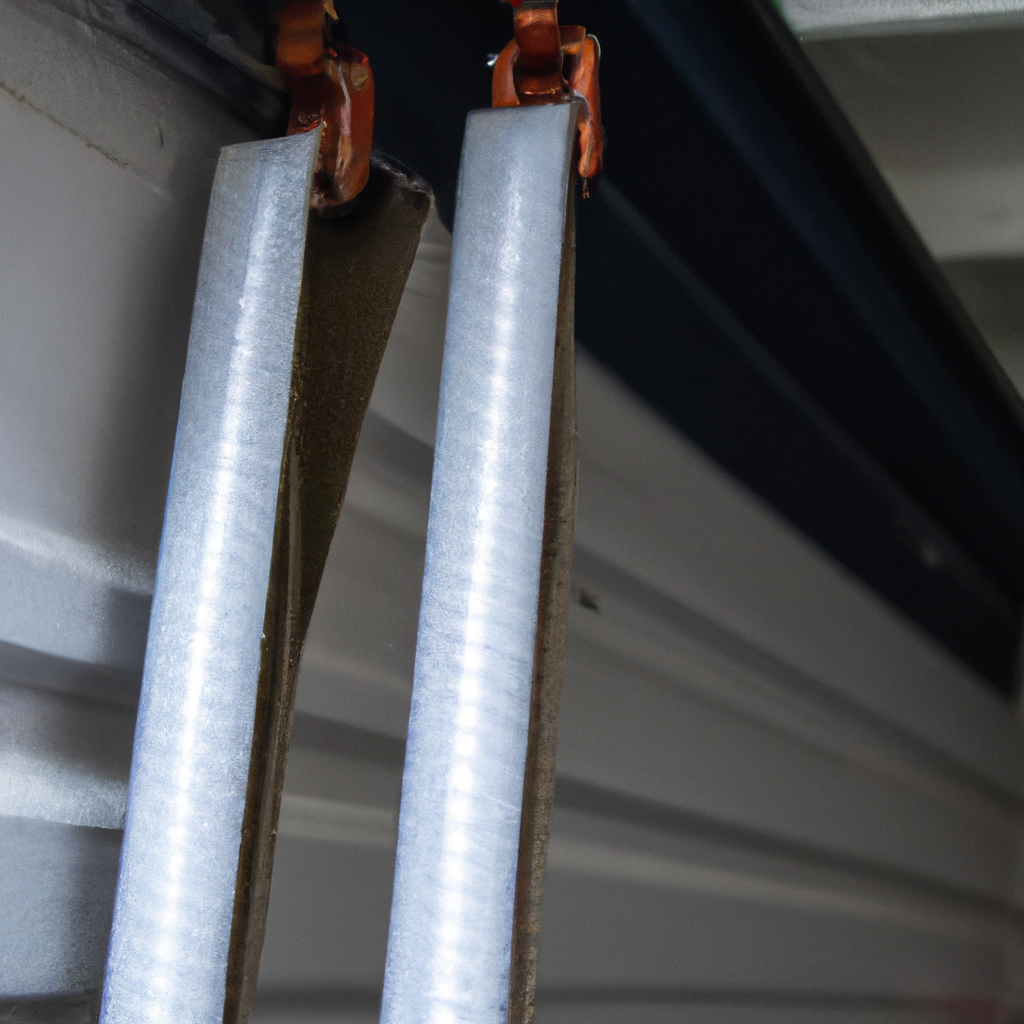
Steel is popular for garage doors and compatible with most smart garage systems. It offers strength and low cost. For Bedminster weather, choose galvanized or painted steel panels to resist rust. Steel panels with a thermal break improve insulation and reduce condensation risks in winter.
Aluminum
Aluminum is lightweight and resists rust, which helps in humid seasons. It dents more easily than steel but is ideal for modern sectional doors that pair with smart garage systems where weight matters for the opener and sensors.
Wood and composite
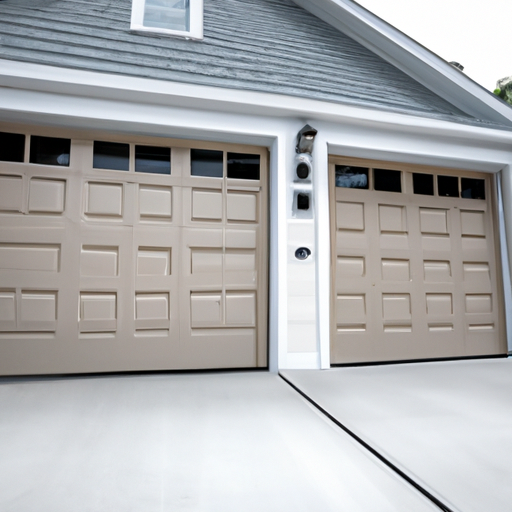
Wood looks premium and adds curb appeal, often used on traditional homes in this area. Wood requires regular sealing in NJ climate. Composite doors mimic wood grain, need less upkeep, and pair well with smart garage systems when you want the look without the annual refinishing.
Insulation, R-values, and energy savings
Insulation matters for garages attached to living spaces. A properly insulated door stabilizes temperatures, reduces strain on HVAC systems, and protects smart garage systems electronics from temperature swings.
- Polystyrene: lightweight insulation that fits many steel doors; economical.
- Polyurethane: higher R-values and structural rigidity; better for cold winters.
- Insulated composite cores: balance of weight, insulation, and durability.
For most Bedminster homes, a polyurethane-insulated door with a corrosion-resistant exterior is a strong choice when installing smart garage systems.
Hardware, sensors, and material compatibility
Smart garage systems rely on sensors, trackers, and mounting hardware. Material affects how you mount devices, route wiring, and maintain signal strength.
Mounting on metal vs. wood
Metal doors usually need self-tapping screws and rubber gaskets to prevent vibrations that can trigger false sensor alerts. Wood allows more secure anchoring but needs treated fasteners to prevent rot. Composite surfaces require compatible anchors to avoid cracking.
Sensor placement and materials
Magnetic and optical sensors work on any material if aligned correctly. For doors with metallic paint or heavy insulation, test wireless signals during installation; sometimes a small external antenna or different mounting position avoids interference with solar or smart hub devices.
Corrosion resistance and finish options
NJ winters with road salt and coastal moisture increase corrosion risk. Choose finishes and materials that limit maintenance:
- Galvanized steel with powder coat: resists rust longer than bare steel.
- Aluminum with anodized finish: resists oxidation, ideal for coastal or humid zones.
- Composite with sealed seams: reduces water infiltration and swelling.
Combine a corrosion-resistant door with stainless-steel fasteners for mounting smart garage systems components to extend life and reliability.
Security, warranties, and long-term costs
Material choice affects security and total cost of ownership. A heavier steel door can deter intruders and requires a compatible opener when used with smart garage systems. Lighter aluminum doors may need reinforced sections to meet the same security expectations.
- Check manufacturer warranties on panels and on smart system electronics separately.
- Ask about warranty impact when aftermarket sensors or mounts are installed.
- Factor serviceability: some materials require specialized repair and higher labor costs.
Local installers often bundle door materials and smart garage systems into a single warranty package; discuss coverage with your provider before purchase. For installation options and bundles, visit our services page for local offerings.
Practical checklist before you buy
Use this checklist when reviewing quotes and materials for smart garage systems:
- Match door weight and material to the opener’s rated capacity.
- Confirm insulation R-value for attached garages.
- Choose corrosion-resistant finishes for NJ weather.
- Verify sensor compatibility and mounting surface requirements.
- Review warranty terms for both door and smart system components.
Sticking to this checklist helps avoid surprises in installation time and cost, and ensures the smart garage systems you choose will perform in local conditions.
Local installation timeline and what to expect
Typical installations for a door swap plus smart garage systems integration take one to two days for a single-car garage if parts are in stock. Weather delays are possible in winter. After installation, expect a brief walkthrough that covers app setup, routines, and safety checks specific to Bedminster properties.
If you want a preliminary evaluation, schedule a site visit through our contact page to get a local quote and material recommendation tailored to your home.
Further reading and local resources
Understanding materials for smart garage systems is part of smart home and home improvement planning. For additional articles, maintenance tips, and case studies from local projects, check our blog for updates and seasonal advice: read more.
Frequently Asked Questions
1. How do Bedminster winters affect material choice for smart garage systems?
Cold temperatures and road salt increase corrosion and can reduce battery life. We recommend galvanized or powder-coated steel or anodized aluminum with insulated cores to limit thermal contraction and protect electronics.
2. How long does installation take for a door plus smart garage systems integration?
Expect 1–2 days for a single-car garage if parts are available. Complex retrofits or custom wood doors may take longer; we can estimate timing during an on-site visit.
3. What price range should Bedminster homeowners expect for materials and installation?
Basic steel doors with smart systems start in the lower range; insulated or composite doors with integrated smart openers typically cost more. Local estimates usually range widely—request a tailored quote for accurate pricing.
4. Do I need permits in Bedminster, NJ for a door replacement with smart controls?
Most residential door replacements do not require a permit, but historic districts or structural changes might. Check with the Bedminster municipal office or ask your installer to confirm before work begins.
5. What warranty coverage should I look for on materials and smart components?
Look for at least a 1–5 year warranty on electronics and longer (often 10–20 years) on door panels. Confirm that aftermarket smart devices do not void the door manufacturer’s warranty.
Helpful local resources in Bedminster, NJ
- Garage Door Repair Hoboken
- Garage Door Repair Montclair
- Garage Door Repair Westfield
- Garage Door Repair Summit
- Garage Door Repair Maplewood
- Garage Door Repair Livingston
- Garage Door Repair Short Hills
- Garage Door Repair Princeton
- Garage Door Repair Red Bank
- Garage Door Repair Morristown
- Garage Door Repair Chatham
- Garage Door Repair Mendham
- Garage Door Repair Bernardsville
- Garage Door Repair Bedminster
- Garage Door Repair Clinton
- Garage Door Repair Tenafly
- Garage Door Repair Ridgewood
- Garage Door Repair Upper Saddle River
- Garage Door Repair Wyckoff
- Garage Door Repair Basking Ridge
- Garage Door Repair South Orange
- Garage Door Repair Teaneck
- Garage Door Repair Fort Lee
- Garage Door Repair East Brunswick
- Garage Door Repair Montvale
- Garage Door Repair Haddonfield
- Garage Door Repair Marlboro
- Garage Door Repair Cranford
- Garage Door Repair Voorhees
- Garage Door Repair North Caldwell